
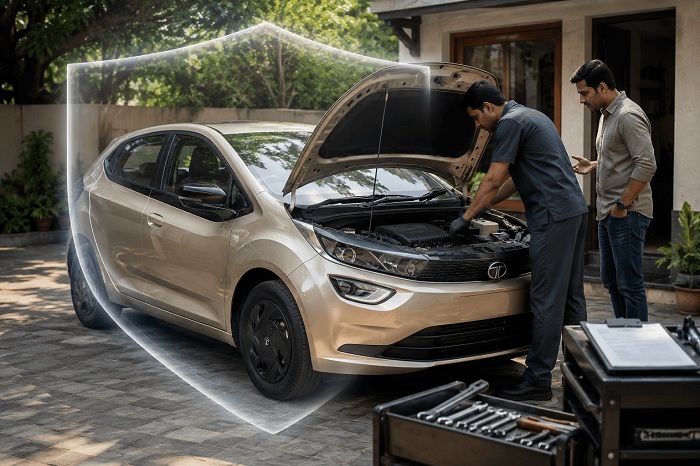

Almost anyone with a phone has heard the automated, mildly threatening voice on the other end of the line warning that they have been trying to reach you concerning your car’s extended warranty. This specific phrase has become a cultural punchline and a universal annoyance that unites drivers across the country. But behind the endless robocalls lies a serious financial hazard. The auto warranty industry is a massive, multi-billion-dollar space heavily populated by bad actors looking to drain your bank account while offering absolutely zero protection in return.
However, not all extended coverage is a scam. For many drivers, a legitimate vehicle service contract is a financial lifesaver that covers the catastrophic costs of a blown transmission or a failing engine right when the factory warranty expires. The real challenge for consumers is navigating this murky territory. You have to know how to separate the predatory fraudsters from the reputable providers offering genuine peace of mind.
What Is an Extended Auto Warranty?
Before diving into the warning signs of a scam, it helps to understand what you are actually buying. When people talk about an extended auto warranty, they are usually referring to a vehicle service contract. Legally, only the original manufacturer of the vehicle can offer a true warranty. Third-party companies offer service contracts that act similarly, stepping in to cover specific mechanical breakdowns after the manufacturer’s original guarantee runs out.
These contracts are completely optional, but they can be incredibly valuable if you plan on keeping your car past the standard three-year or thirty-six-thousand-mile mark. Modern vehicles are essentially rolling computers. Fixing a specialized sensor, an infotainment system, or a continuously variable transmission can easily cost thousands of dollars. A legitimate contract helps mitigate these unexpected out-of-pocket expenses. The problem is that scammers know exactly how expensive auto repairs are, and they weaponize that fear to manipulate unsuspecting car owners.
The Anatomy of an Auto Warranty Scam
Fraudsters rely on fear, urgency, and confusion. They want you to make a rash financial decision before you have time to consult with a mechanic, talk to a family member, or read the fine print. Spotting a scam is often just a matter of recognizing their highly predictable behavioral patterns.
The Unsolicited Robocall
The most glaring red flag is the method of contact. Legitimate warranty companies and dealerships rarely initiate contact through unsolicited, automated robocalls. If you pick up the phone and hear a pre-recorded message warning you that your coverage is about to expire, you are almost certainly dealing with a scam. This is especially true if you drive an older vehicle that has not had active coverage in over a decade. These operations use illegal automated dialers to call thousands of numbers a minute, hoping to catch a few vulnerable people off guard.
Extreme High-Pressure Sales Tactics
If you do get connected to a live representative, pay close attention to their tone. Scammers will aggressively push you to hand over a credit card number immediately. They will claim that the special rate they are offering is only good for the next ten minutes, or they will threaten that you are driving at immense financial risk if you hang up the phone. A reputable provider understands that buying coverage is a significant financial decision. They will give you time to think, encourage you to review the contract, and allow you to call back later on your own terms.
Refusal to Provide Written Documentation
Never buy a policy you cannot read. Fraudulent callers will talk in circles about how amazing their coverage is, promising that it protects absolutely everything from the engine block to the windshield wipers. But the moment you ask them to email you a sample contract or a specific list of exclusions, they will pivot, make excuses, or flat-out refuse. Legitimate companies have their sample contracts readily available online and will happily send you documentation outlining exactly what is and is not covered.
Requests for Personal Information Upfront
A scammer will often ask you to verify your vehicle identification number, your driver license number, or your banking details before they even explain the policy. They might claim they need this data to pull up your file. In reality, they are either trying to steal your identity or process an unauthorized charge. Never confirm personal details with an unsolicited caller.
How to Identify Legitimate Coverage Providers
Avoiding scams is only half the battle. If you genuinely want to protect your vehicle from future repair bills, you need to know how to identify the trustworthy players in the automotive industry.
Direct Manufacturer Backing
The safest route is usually to purchase an extended service plan directly from your car’s manufacturer. Automakers offer their own extended service plans that are honored at any of their authorized dealerships nationwide. Because the manufacturer directly backs these plans, you rarely have to worry about scam tactics or shady claims-denial practices. The parts used will be original equipment, and the mechanics will be certified to work on your specific brand.
Reputable Third-Party Companies
If a manufacturer plan is not an option, there are legitimate third-party providers. To find them, you have to do your own proactive research rather than responding to a cold call. Look for companies that have been in business for many years and hold a strong rating with consumer protection agencies. Read independent customer reviews on trusted automotive forums. A legitimate third-party provider will have a clear, easily navigable website where you can generate a quote, read the terms of service, and understand the claims process without ever having to speak to a high-pressure salesperson.
Transparent Claims Payment Processes
A major indicator of a legitimate company is how they handle the actual repairs. The best providers pay the repair facility directly over the phone via a corporate credit card once a claim is approved. Scam companies, or even just low-quality providers, will require you to foot the massive repair bill yourself and then submit paperwork for a reimbursement that mysteriously never arrives. Always ask exactly how the mechanic gets paid before you agree to a policy.
Crucial Questions to Ask Before Buying Coverage
Even when dealing with a known, legitimate company, you must protect your own interests. Vehicle service contracts are dense legal documents, and assuming you are fully covered just because you bought a policy is a massive mistake.
First, ask about the specific type of coverage. Is it a powertrain warranty, which only covers the engine, transmission, and drive axles? Or is it an exclusionary policy, which covers everything on the vehicle except a specific list of wear-and-tear items? Exclusionary policies are generally the best value because the contract clearly lists what is not covered, leaving zero room for interpretation.
Second, ask about the deductible structure. Are you paying a flat fee per repair visit, or a fee per repaired item? A fifty-dollar deductible sounds great until you realize you have to pay it three separate times for three different broken parts on the same repair ticket.
Finally, inquire about the concept of consequential damage. If a covered part fails and causes damage to a non-covered part, how is the claim handled? Conversely, if a cheap aftermarket radiator hose bursts and overheats the engine, will the provider cover the ruined engine block? Knowing these granular details separates a savvy consumer from an easy target.
Steps to Take if You Suspect a Scam
If you pick up the phone and hear the dreaded robocall, the best course of action is simply to hang up. Do not press any numbers to speak to a representative, and do not press a number to be removed from their list. Pressing buttons only confirms to the automated system that your phone number is active, which will inevitably lead to even more calls.
If you accidentally engage with a live person and begin to feel suspicious, hang up immediately. If you have already handed over financial information, contact your bank or credit card issuer right away to place a freeze on your accounts and dispute any unauthorized charges.
For ongoing harassment, you can report the spoofed numbers to the appropriate federal trade and communications authorities. While these agencies cannot always stop international scam rings overnight, your reports help them track the origin of the calls and build cases against the telecom providers that allow this fraudulent traffic to pass through their networks.
Protecting your vehicle should never involve navigating a minefield of aggressive sales tactics and fraudulent promises. By keeping your guard up against unsolicited calls and taking the time to thoroughly research highly-rated providers, you can secure the coverage you need without falling victim to the industry’s worst actors. Always demand written proof, trust your instincts when a deal feels too rushed, and remember that a legitimate company will always let their contract do the talking.
