
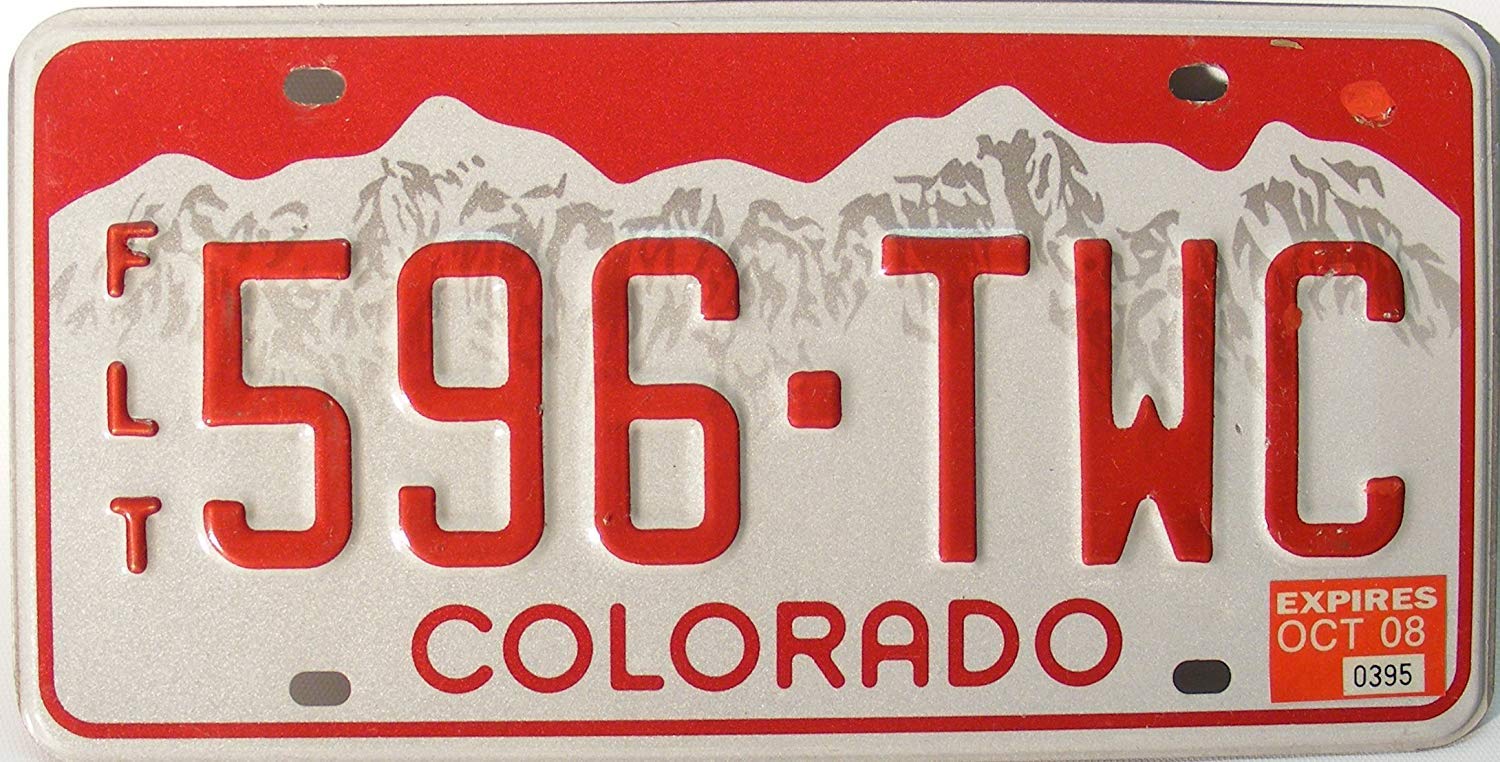

Authenticity matters deeply to collectors, historians, and even automotive enthusiasts because a genuine license plate is more than a piece of metal: it’s an artifact of history, culture, and regulation. In the United States, where each state has issued unique vehicle license plates since the early 1900s, identifying what makes a plate authentic isn’t always straightforward. This guide breaks down four key factors that determine whether a plate is truly genuine. Expect insights that help you distinguish original from reproduction and value historic provenance, condition, and legal issuance.
A plates specialist at ShopLicensePlates shares that authenticity is rooted in verified issuance history and physical traits. Collectors should always check the licensure era and condition first. Plates sold through reputable channels are vetted for age and issuance, helping safeguard buyers from replicas or misrepresented reproductions.
This article is organized into four major sections, each exploring a foundational aspect of authenticity. Whether you are a seasoned collector or casually curious, understanding these elements will deepen your appreciation for license plates as physical records of transportation law and design.
Historical Issuance and Government Regulation
Authentic license plates are issued by a governing authority — typically a state’s Department of Motor Vehicles, Department of Revenue, or another official agency tasked with vehicle registration. In the United States, each of the 50 states and the District of Columbia independently issues plates according to specific rules regarding design, material, serial format, and purpose (standard passenger, commercial, specialty, and so forth).
Originally, vehicle registration and plate issuance began in the early 1900s. For example, South Dakota required residents to register their automobiles and display plates starting in 1905, with state-issued plates beginning in 1913. North Dakota began issuing plates in 1911. These plates weren’t just decorative; they reflected evolving public policy on vehicle identification, law enforcement needs, and the logistics of road travel. An authentic plate must come from such an official context — not a replica created solely for decorative purposes.
Collectible plates that were genuinely issued carry a specific historical signature. For instance, plates from 1938 across the United States had unique serial formats and reflected the vehicle types and licensing conventions of that period. Authenticity begins with confirming that a plate was legitimately issued by the appropriate authority.
Importantly, many states now offer specialty or vanity plates — custom sequences or graphics that support causes, institutions, or personal expressions — but even these must be issued and registered according to state law to be considered authentic.
Physical Traits and Construction
Beyond historical issuance, authentic plates exhibit specific physical characteristics that distinguish them from reproductions. Material composition, manufacturing techniques, and serial embossing are key markers.
Historically, most U.S. license plates were made from pressed steel or aluminum. Early plates often had embossed numbers and letters — that is, characters raised above the surface of the plate. The weight, thickness, and paint profile of an authentic plate will differ from a reproduction, which might use lighter materials or flat printing techniques to lower production costs.
Collectors examine features such as the rivet holes, paint aging, and embossing consistency. Genuine plates from earlier decades will often show signs of age related to metal oxidation, wear around bolt holes, and chrome or enamel fading in ways consistent with decades of exposure. For example, plates issued before the 1950s typically display heavier gauge metal and older manufacturing marks than mid-century or later plates.
Some collectibles also have year-of-manufacture (YOM) tags, which are used to restore or register classic vehicles under historic status. These tags must follow strict guidelines to qualify, including matching era-accurate materials and fonts.
Even for recent plates, modern production methods such as reflective sheeting and precision stamping are hallmarks of official state use. Reproductions often fail to match these details — the sheen, alignment of numerals, or the precise way state names are embossed or screen-printed.
Provenance and Documentation
Provenance refers to the documented history of an object — where it came from, who owned it, and how it was used. For license plates, provenance might mean knowing that a plate was actually mounted on a vehicle, its period of issuance, and any paperwork that traces its history.
For example, if a plate is part of a documented batch from a particular era (e.g., a set of plates from Pennsylvania vehicles licensed in the mid-20th century) and accompanied by photos or records showing its past use, this bolsters authenticity. Genuine license plates for sale often include provenance details in their descriptions — where they were sourced, condition grading, and era-specific attributes. These descriptions are essential because they inform buyers whether what they’re purchasing is a genuine old plate rather than a modern reproduction.
Collectors sometimes seek plates with known provenance because such context can substantially enhance historical and monetary value. A plate with a documented connection to a notable event or era — for example, a plate used during a landmark automotive race or one that was part of a significant vehicle collection — might draw more interest.
Documentation can also include certification from authoritative collectors’ clubs or appraisal records from recognized experts in automobilia and memorabilia. These pieces of evidence can transform a mere metal plate into an authenticated historical object with verified lineage.
Rarity, Condition, and Market Recognition
Authenticity isn’t solely about being real; it’s also about recognition in the broader context of collecting and market perception. Rare plates — such as those from early years of state issuance, limited editions, or decommissioned designs — are often prized for their scarcity. An authentic rare plate carries both legal issuance and a story tied to limited production.
Condition plays a huge role here. Collectors typically grade plates based on how well they’ve survived decades of use, storage, and exposure. A plate in excellent condition that has retained clear embossing, original paint, and minimal rust will be more valuable than one that’s heavily corroded or obscured. Authentic plates that remain in good condition carry both historical and aesthetic appeal.
Market recognition also matters. Well-documented plates that have been traded through reputable channels — for example, specialist dealers with long-standing reputations — are generally accepted as authentic by collectors and enthusiasts alike. Platforms that specialize in genuine license plates help authenticate and place plates within historical contexts, rather than just offering decorative reproductions. A reputable market source will provide clear criteria for how a plate is verified, including any grading or condition assessments.
When collecting, beware of cheap plates offered without provenance or clear description. While an inexpensive plate may be a fun decorative piece, it may lack the markers of true authenticity that matter in serious collections.
Special Considerations: Vanity, Specialty, and Replicas
While the first four sections focus on plates intended for official use, it’s worth briefly distinguishing authentic license plates from vanity or replica plates that might be circulated in hobbyist circles. Vanity plates issued by states — often with personalized characters or bespoke background graphics — are authentic if they were officially registered and issued by a state agency.
However, replica plates — those produced by private parties or commercial entities for decoration — are not authentic in the historical or regulatory sense. These are common in automotive-themed décor and can look convincing at a glance but lack official issuance markers and government records.
Specialty plates — such as those promoting causes or organizations (for example, “Choose Life” license plates available in 34 states plus the District of Columbia) — are authentic when issued by a state and appear in state registries, because they support designated programs and comply with state issuance rules.
Understanding this distinction helps collectors and buyers make informed decisions. Authenticity always ties back to official issuance and documented use, whether the plate was a standard issue or a specialty design.
Conclusion
Authentic license plates represent tangible pieces of vehicular and regulatory history. Whether driven off the lot in a classic car, displayed on a shed wall decades later, or passed through generations of collectors, these plates carry stories encoded in their materials, issuance era, and condition.
To recap, four factors help determine authenticity:
Historical Issuance and Government Regulation – The plate must have been officially issued by an appropriate authority following legal vehicle registration procedures.
Physical Traits and Construction – Materials, embossing, and manufacturing details must align with known production characteristics from the plate’s era.
Provenance and Documentation – Verified history and records of past use support authenticity claims.
Rarity, Condition, and Market Recognition – Plates recognized within collector markets and in good condition add credibility and value.
When evaluating a license plate, carefully study its physical traits and historical context, consult reputable sources, and seek documentation where possible. Whether a plate will be displayed in a collection, used in restoration, or simply admired as part of American automotive heritage, these four criteria serve as a reliable framework to assess what truly makes a plate authentic.

Comments are closed.