
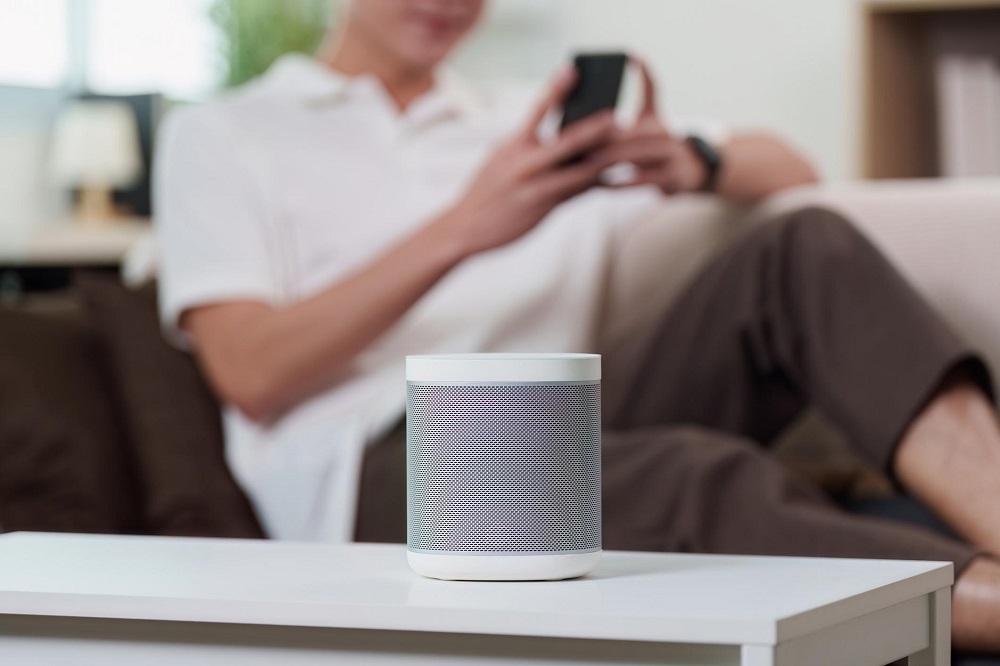

Smart home technology has moved from niche experimentation to mainstream adoption in less than two decades. What once required custom wiring and specialized programming can now be installed with a smartphone and a Wi-Fi connection. Today’s connected homes integrate lighting, security, climate control, appliances, and entertainment systems into unified digital ecosystems.
This shift reflects broader changes in consumer expectations. Homeowners increasingly value convenience, energy efficiency, remote access, and personalization. As internet connectivity has become standard and device costs have declined, adoption rates have accelerated across urban and suburban markets alike.
What Is Smart Home Technology?
A smart home uses internet-connected devices to monitor, automate, and control household systems. These devices communicate through wireless protocols such as Wi-Fi, Zigbee, Z-Wave, Bluetooth, or Thread, and are typically managed through mobile apps or voice assistants.
Core components include:
-
Smart hubs or controllers that centralize device management
-
Sensors that detect motion, temperature, humidity, or occupancy
-
Actuators that execute actions (turning lights on, adjusting thermostats)
-
Cloud-based services enabling remote access and automation
The defining feature is interoperability—devices working together based on predefined rules or artificial intelligence.
Key Drivers Behind the Growth
Several converging forces have fueled rapid expansion in this sector.
1. Declining Hardware Costs
Mass production and global supply chains have reduced the price of sensors, chips, and wireless modules. Entry-level smart bulbs and plugs are now accessible to average households, lowering the barrier to experimentation.
2. Expansion of High-Speed Internet
Reliable broadband and 5G networks support real-time communication between devices and cloud platforms, making remote management seamless.
3. Voice Assistants and AI Integration
Voice-enabled ecosystems have simplified interaction. Instead of navigating complex interfaces, users can issue natural language commands. Machine learning further enhances automation by learning user preferences over time.
4. Focus on Energy Efficiency
Smart thermostats, lighting systems, and appliances optimize usage patterns, reducing electricity consumption and utility costs. Governments and utility providers often incentivize energy-saving installations.
5. Increased Security Awareness
Video doorbells, smart locks, and remote monitoring systems address growing concerns around home safety. Real-time alerts and cloud storage improve response times and evidence capture.
Popular Categories of Smart Devices
The smart home ecosystem spans multiple domains.
Smart Lighting
-
Remote on/off control
-
Scheduling and automation
-
Dimming and color customization
-
Integration with motion sensors
Lighting often serves as an entry point due to its simplicity and visible impact.
Smart Climate Control
-
Programmable thermostats
-
Occupancy-based temperature adjustment
-
Energy consumption tracking
These systems deliver measurable cost savings over time.
Smart Security Systems
-
Video doorbells
-
Indoor and outdoor surveillance cameras
-
Smart locks
-
Motion detection alerts
Integrated systems allow homeowners to monitor properties from anywhere.
Smart Appliances
-
Connected refrigerators
-
Voice-enabled ovens
-
Robotic vacuum cleaners
-
Leak detection systems
Appliances now provide performance diagnostics and predictive maintenance alerts.
Benefits of Smart Homes
The appeal extends beyond novelty. Practical advantages include:
-
Convenience: Centralized control through one interface
-
Energy savings: Automated efficiency reduces waste
-
Improved security: Continuous monitoring and instant alerts
-
Accessibility: Voice control supports elderly or mobility-limited users
-
Customization: Scenes and routines tailored to daily schedules
For many homeowners, the ability to automate repetitive tasks represents a significant lifestyle improvement.
Challenges and Concerns
Despite strong growth, adoption is not without obstacles.
Privacy and Data Security
Connected devices collect usage data. Breaches or poorly secured networks can expose sensitive information. Manufacturers must implement encryption, secure authentication, and regular firmware updates.
Interoperability Issues
Not all devices communicate smoothly across ecosystems. Fragmentation has historically created compatibility challenges, though new universal standards are improving cross-platform integration.
Upfront Costs
While individual devices are affordable, fully integrated systems may require significant investment. Professional installation further increases costs.
Technical Complexity
Some users find setup and troubleshooting intimidating. User-friendly interfaces and improved onboarding experiences are addressing this gap.
The Role of Standardization
A major turning point in the industry has been the development of unified communication standards that allow devices from different brands to operate within the same ecosystem. Standardization simplifies installation, reduces consumer confusion, and increases market confidence.
This shift encourages manufacturers to prioritize compatibility rather than exclusivity, expanding consumer choice.
Market Outlook and Future Trends
The trajectory of smart home technology points toward deeper integration and autonomy.
AI-Driven Automation
Future systems will rely more heavily on predictive behavior modeling. Instead of responding to commands, homes will anticipate needs based on routines, weather conditions, and occupancy patterns.
Edge Computing
Processing data locally—rather than solely in the cloud—reduces latency and enhances privacy. Edge-enabled devices can operate even during internet outages.
Sustainability Integration
Smart homes will increasingly connect to renewable energy systems such as solar panels and battery storage, optimizing energy generation and consumption.
Health Monitoring
Emerging devices monitor air quality, sleep patterns, and even detect unusual movement patterns that may indicate health emergencies.
Conclusion
Smart home technology has transitioned from luxury to practicality. Advances in connectivity, artificial intelligence, and device affordability have accelerated widespread adoption. While privacy, interoperability, and cost considerations remain relevant, ongoing innovation continues to refine the ecosystem.
As homes become more responsive and data-driven, the definition of comfort and control continues to evolve. The rise of smart home technology reflects not just a technological shift, but a transformation in how people interact with their living environments.
Frequently Asked Questions (FAQs)
1. Do smart home devices work without internet access?
Some devices can operate locally through Bluetooth or internal automation rules, but remote access and cloud-based features typically require an internet connection.
2. Are smart homes vulnerable to hacking?
Like any connected system, vulnerabilities exist. Strong passwords, two-factor authentication, encrypted networks, and regular firmware updates significantly reduce risk.
3. Can renters install smart home technology?
Yes. Many devices such as smart plugs, bulbs, and cameras are portable and require no permanent modifications.
4. How long do smart home devices typically last?
Most devices have a lifespan similar to other electronics—around 3 to 7 years—depending on usage and software support from manufacturers.
5. Do smart devices increase electricity consumption?
While devices consume minimal standby power, overall energy use often decreases due to optimized heating, cooling, and lighting.
6. Is professional installation necessary?
Many products are designed for DIY setup. However, complex systems involving wiring or integrated security may benefit from professional installation.
7. Can smart home systems integrate with renewable energy sources?
Yes. Advanced systems can connect with solar panels, battery storage, and smart grids to optimize energy generation and consumption.

Comments are closed.