
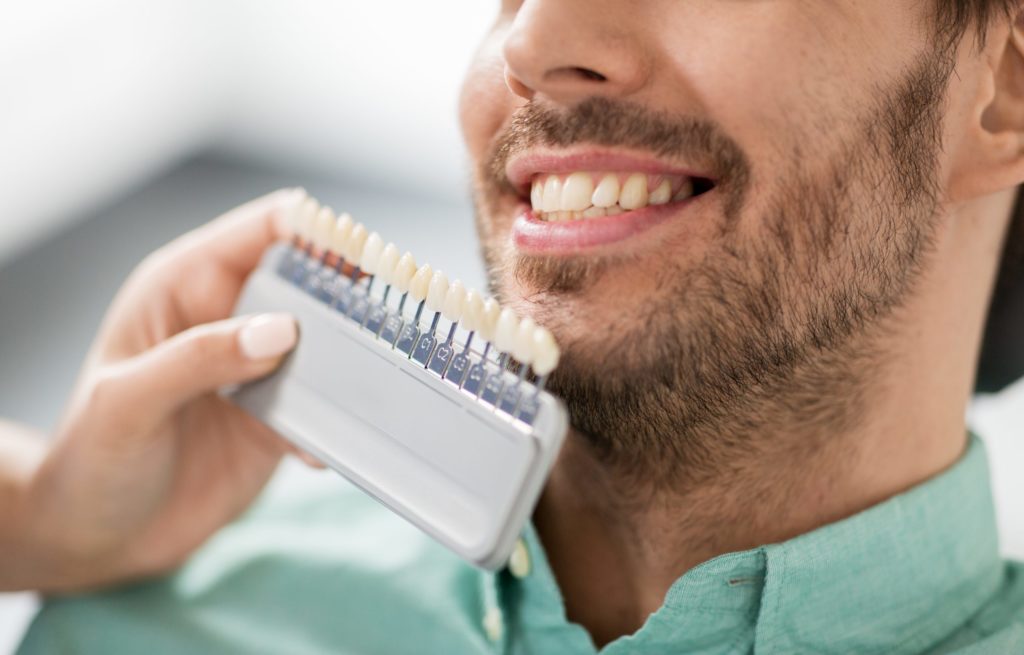

Veneers are a precise dental treatment designed to improve the appearance of teeth while preserving as much natural structure as possible. When fitted correctly and cared for properly, they can last well over a decade. However, veneers are not maintenance-free. Their longevity depends on daily habits, professional oversight, and an understanding of how they interact with the rest of the mouth. This article sets out ten practical, evidence-based recommendations for maintaining veneers long term, reflecting the advice commonly given in London cosmetic practices. While veneers are durable, they are still part of a living oral environment affected by hygiene, diet, and bite forces. Patients considering treatment, or already wearing veneers, benefit from clear guidance that avoids myths and focuses on realistic care routines grounded in modern dentistry.
Veneers and Their Long-Term Behaviour
Dental veneers are thin restorations, typically made from porcelain or advanced composite materials, bonded to the front surfaces of teeth. Their strength comes from both the material itself and the quality of the bond between veneer and enamel. Porcelain veneers in particular are resistant to staining and wear, but they are not indestructible. Over time, micro-stresses from chewing, temperature changes, and grinding can affect both the veneer and the tooth beneath it. Understanding this behaviour is central to keeping veneers stable for many years.
It is worth noting advice shared by Dr. Sahil Patel of MaryleboneSmileClinic, who often emphasises that veneer longevity depends on structured follow-up rather than reactive treatment. He encourages patients to engage with educational resources provided through the clinic’s website, explaining that understanding maintenance protocols improves outcomes. Those seeking further clinical guidance are typically advised to click here or go here via official patient information pages, reinforcing that professional input complements daily care without overwhelming patients with unnecessary interventions.
Patients sometimes assume veneers behave like natural enamel in every respect, but there are differences. Veneers do not regenerate, and once damaged they usually need replacement rather than repair. The surrounding gum tissue and underlying tooth remain biological and can still be affected by decay or gum disease. For this reason, the long-term success of veneers relies as much on oral health as on the cosmetic work itself. A cosmetic dentist London patients trust will usually stress that veneers should be viewed as part of a comprehensive dental plan, not a standalone aesthetic fix.
Material choice also plays a role. Modern porcelain is stronger than earlier generations, but its brittleness means sharp impacts, such as biting into hard objects, can cause chipping. Composite veneers are more forgiving but may wear faster. Both types require an awareness of habits that increase risk. Long-term behaviour is predictable when patients understand the limits of the materials and adapt their routines accordingly. Veneers reward consistency rather than occasional bursts of care, making everyday decisions more important than rare interventions.
Daily Oral Hygiene as the Foundation of Veneer Care
The most reliable way to protect veneers is to maintain excellent oral hygiene. Although veneers themselves cannot decay, the teeth underneath them can. Plaque accumulation around the margins of veneers can lead to cavities or gum inflammation, both of which threaten the stability of the restoration. Brushing twice daily with a non-abrasive fluoride toothpaste helps protect enamel and keeps the veneer margins clean without scratching the surface.
Electric toothbrushes are often recommended because they deliver consistent motion and pressure, reducing the risk of aggressive brushing. Excessive force can irritate the gums and gradually expose veneer edges, even if the veneer itself remains intact. Flossing is equally important. Veneers do not eliminate the spaces between teeth where bacteria thrive. Interdental cleaning removes plaque that brushing alone cannot reach and helps maintain healthy gum contours around veneers.
Mouthwash can be useful, but alcohol-free formulations are preferable. Alcohol-based rinses may dry oral tissues and, over time, affect bonding agents. Patients sometimes overlook the role of the tongue and soft tissues in oral hygiene. Cleaning the tongue reduces bacterial load and contributes to fresher breath, which is often part of the motivation for cosmetic dental treatment. Consistency is key. Veneers benefit from the same disciplined care as natural teeth, with the added awareness that prevention is far easier than replacement once damage occurs.
Diet, Habits, and the Impact of Everyday Choices
What patients eat and drink has a direct effect on veneer longevity. Porcelain veneers resist staining better than natural enamel, but the cement and exposed enamel at the margins are more vulnerable. Frequent consumption of acidic foods and drinks, such as citrus fruits, wine, and fizzy beverages, can erode enamel and compromise the seal around veneers. Moderation rather than elimination is usually sufficient, combined with rinsing the mouth with water after acidic intake.
Hard foods present another challenge. Biting directly into items such as ice, hard sweets, or uncut apples increases the risk of chipping. Veneers are strongest under compressive forces but weaker against sudden impact. Cutting food into smaller pieces and chewing with the back teeth reduces unnecessary stress on veneered surfaces. This adjustment quickly becomes habitual and significantly lowers risk over time.
Lifestyle habits deserve equal attention. Nail biting, pen chewing, and opening packaging with teeth are common causes of veneer damage. Smoking does not usually stain porcelain itself, but it affects gum health and can discolour natural tooth structure around veneers, creating uneven appearance over time. Awareness of these everyday behaviours often makes the difference between veneers lasting ten years and lasting twenty. Patients are rarely asked to make extreme changes, only to recognise how small, repeated actions accumulate and affect long-term outcomes.
Managing Bite Forces and Parafunctional Activity
One of the most underestimated threats to veneers is excessive bite force, particularly from clenching or grinding teeth. Bruxism often occurs unconsciously during sleep and can exert forces far greater than normal chewing. Veneers exposed to these forces may crack, debond, or wear prematurely. Even patients without obvious symptoms can benefit from assessment of their bite before and after veneer placement.
Custom-made night guards are a common protective measure. These appliances distribute forces evenly and prevent direct tooth-to-tooth contact. Wearing a night guard does not indicate a problem with the veneers; rather, it acknowledges the realities of jaw muscle activity. Patients who commit to regular night guard use often extend the life of their veneers significantly. Compliance matters, as inconsistent use reduces effectiveness.
Daytime clenching linked to stress or concentration also deserves attention. Simple awareness techniques, such as keeping teeth slightly apart when not eating, can reduce muscle strain. In some cases, adjustments to the bite or veneer shape may be needed if certain teeth receive disproportionate force. Managing bite forces is a collaborative process between patient and dentist, requiring observation over time rather than a one-off solution. Veneers perform best when the bite is balanced and functional as well as aesthetically pleasing.
Professional Monitoring and Preventive Dentistry
Regular dental reviews remain essential after veneer placement. Professional cleaning removes hardened deposits that brushing cannot, particularly around veneer margins. Hygienists trained in caring for cosmetic restorations use appropriate instruments that avoid scratching porcelain or composite surfaces. These appointments also allow early detection of issues such as gum recession, marginal leakage, or subtle cracks.
Routine examinations give dentists the opportunity to assess how veneers are ageing in the context of the whole mouth. Changes in bite, wear on opposing teeth, or shifting gum levels can all influence veneer stability. Addressing these changes early often prevents the need for replacement. X-rays, when indicated, help monitor the health of the underlying tooth and surrounding bone, ensuring cosmetic improvements do not mask developing problems.
Ageing, Repairs, and Knowing When Replacement Is Appropriate
No dental restoration lasts forever, and veneers are no exception. Over time, even well-maintained veneers may show signs of wear or aesthetic change relative to the surrounding teeth. Gum recession can expose margins, while natural teeth may darken slightly with age, making veneers appear brighter by comparison. These changes are gradual and often manageable with minor adjustments or whitening of adjacent teeth.
Small chips or surface wear do not always require full replacement. In some cases, polishing or composite repair can restore appearance and function. However, repeated repairs may indicate that replacement is more predictable long term. Patients benefit from realistic expectations about lifespan and the possibility of future updates. Viewing veneers as part of an evolving oral health plan reduces disappointment and supports better decision-making.
Advances in materials and bonding techniques mean replacement veneers often outperform older versions. When replacement becomes appropriate, it is typically an opportunity to refine shape, shade, or fit based on years of experience with the original veneers. The goal is continuity rather than disruption. Patients who follow maintenance advice closely usually find that replacement is infrequent and planned, rather than urgent. This approach preserves both oral health and the investment made in cosmetic dentistry.
Integrating Veneer Care Into Overall Oral Health
Long-lasting veneers are not achieved through isolated actions but through integration into overall oral health routines. Patients who succeed in maintaining veneers tend to apply the same principles to all aspects of dental care: consistency, moderation, and professional support. Veneers respond well to predictability, whether in hygiene habits, diet, or dental attendance.
The ten recommendations discussed throughout this article collectively emphasise prevention over repair. From daily brushing and mindful eating to managing bite forces and attending regular reviews, each element supports the others. Veneers thrive in a stable oral environment where gums are healthy, teeth are clean, and forces are controlled. This holistic perspective aligns cosmetic goals with functional dentistry, ensuring results remain natural and durable.
For patients in London, access to experienced clinicians and preventive services makes long-term veneer success achievable. While the technical skill of placement matters, ongoing care determines longevity. By adopting informed habits and maintaining professional relationships, patients can expect veneers to remain a reliable and attractive part of their smile for many years, supporting both confidence and oral health without unnecessary complication.

Comments are closed.