
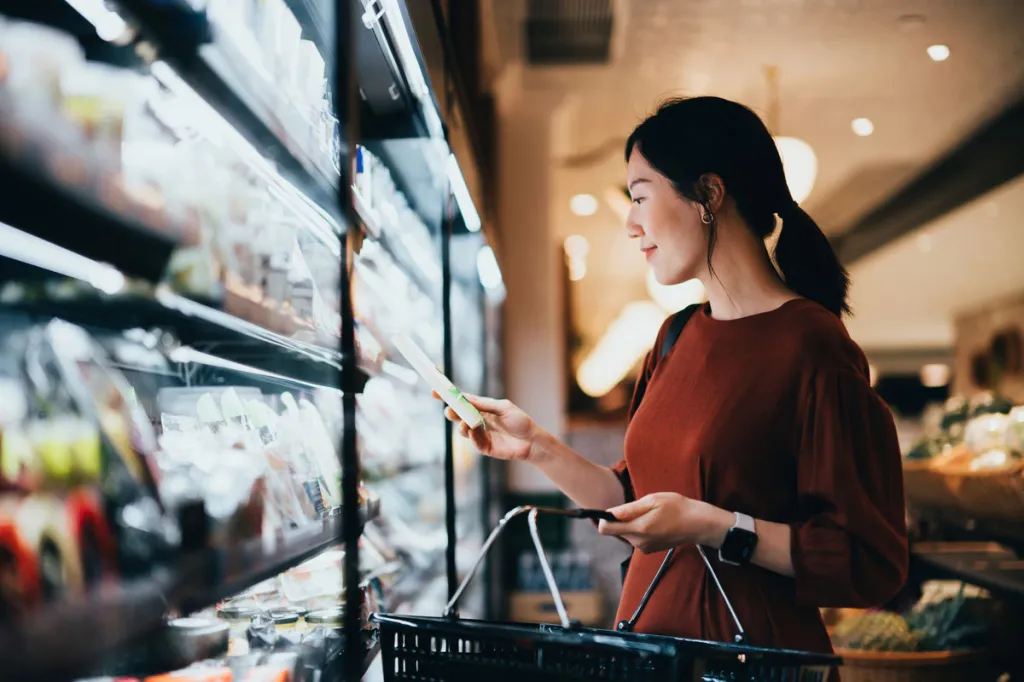

Shopping is a multifaceted activity that extends beyond the simple act of purchasing goods. The term shopping encompasses in-store experiences, online transactions, and evolving consumer practices that shape economies, social interactions, and cultural trends. From traditional markets to immersive digital platforms, shopping has transformed into a complex ecosystem influenced by psychology, technology, and globalization. This article provides an in-depth exploration of the history, economic impact, consumer behavior, technological innovations, and future of shopping.
Historical Evolution of Shopping
Shopping, as a practice, has evolved alongside human civilization, reflecting changes in society, trade, and technology.
Early Marketplaces and Bartering
- Ancient Societies: Trade and barter were fundamental to early economies. Markets in Mesopotamia, Egypt, and the Indus Valley facilitated the exchange of goods like grains, textiles, and pottery.
- Specialized Trades: Artisans, merchants, and craftsmen established permanent shops in urban centers, creating early retail hubs.
Medieval and Renaissance Commerce
- Medieval Markets: Towns and villages organized weekly markets and fairs, allowing producers to sell directly to consumers.
- Guild Systems: Trade guilds regulated quality, pricing, and apprenticeships, influencing consumer trust and product standards.
- Renaissance Expansion: Increased trade routes, exploration, and wealth accumulation enabled the emergence of luxury goods markets and high-end boutiques.
Industrial Revolution and Modern Retail
- Mass Production: Industrialization allowed goods to be produced on a large scale, reducing costs and making products more accessible.
- Department Stores: The 19th century saw the rise of large retail establishments offering diverse products under one roof, enhancing the shopping experience.
- Catalogs and Mail-Order: Companies like Sears and Montgomery Ward in the United States pioneered mail-order catalogs, bringing products to rural consumers.
Economic Impact of Shopping
Shopping is a critical driver of economic activity, influencing production, employment, and consumer spending patterns.
Consumer Spending and Economic Growth
- Consumer expenditure constitutes a significant portion of GDP in developed economies.
- Seasonal shopping trends, such as holiday sales or back-to-school periods, stimulate economic cycles.
- Retail sales influence production planning, inventory management, and supply chain optimization.
Employment and Job Creation
- Retail, logistics, marketing, and e-commerce sectors generate millions of jobs worldwide.
- Specialized roles, including visual merchandisers, inventory analysts, and digital marketing managers, reflect the complexity of modern shopping ecosystems.
Trade and Global Supply Chains
- Shopping fuels international trade, connecting manufacturers, wholesalers, and retailers across continents.
- Globalization and outsourcing have expanded product availability, while raising considerations regarding ethical sourcing, labor standards, and environmental impact.
Consumer Behavior in Shopping
Understanding consumer behavior is essential for businesses to create effective marketing strategies and enhance the shopping experience.
Psychological Factors
- Decision-Making Processes: Consumers weigh price, quality, convenience, and brand reputation when making purchases.
- Emotional Influence: Advertising, store ambiance, and social proof influence purchasing decisions, often triggering impulse buys.
- Perceived Value: Discounts, loyalty programs, and product scarcity affect how consumers perceive the value of goods and services.
Social and Cultural Influences
- Peer recommendations, cultural norms, and lifestyle trends impact shopping preferences.
- Social media platforms amplify trends, with influencers and digital communities shaping consumer choices.
Behavioral Trends
- Experiential Shopping: Consumers increasingly seek immersive, memorable experiences, such as interactive displays and in-store events.
- Omnichannel Behavior: Shoppers combine online and offline channels, researching products digitally before purchasing in-store or vice versa.
- Sustainable Choices: Environmental awareness and ethical considerations influence product selection, favoring eco-friendly brands and practices.
Technological Innovations in Shopping
Technology has revolutionized shopping, enabling convenience, personalization, and global accessibility.
E-Commerce and Online Shopping
- Online retail platforms allow consumers to browse, compare, and purchase products from anywhere, 24/7.
- Features like recommendation algorithms, user reviews, and one-click purchasing enhance the digital shopping experience.
- Mobile commerce and apps offer streamlined interfaces and push notifications to engage consumers continuously.
Payment Innovations
- Digital wallets, contactless payments, and cryptocurrencies simplify transactions while enhancing security.
- Buy-now-pay-later services provide flexible financing, influencing spending habits and purchase frequency.
Artificial Intelligence and Data Analytics
- AI analyzes consumer behavior, enabling personalized recommendations, dynamic pricing, and targeted promotions.
- Predictive analytics optimize inventory management, supply chain logistics, and marketing strategies.
Augmented Reality and Virtual Experiences
- Virtual fitting rooms and AR applications allow consumers to visualize products in real-time, enhancing confidence and satisfaction.
- Immersive technologies bridge physical and digital retail, creating hybrid experiences that blend convenience with engagement.
Social and Ethical Considerations in Shopping
Modern shopping practices carry social and ethical implications that affect both consumers and businesses.
Labor Practices and Fair Trade
- Ethical sourcing ensures fair wages, safe working conditions, and equitable treatment of workers in supply chains.
- Consumers increasingly demand transparency regarding labor practices, influencing brand reputation.
Environmental Sustainability
- Fast fashion, packaging waste, and high-consumption patterns contribute to environmental degradation.
- Sustainable shopping emphasizes eco-friendly materials, reduced waste, recycling initiatives, and circular economy practices.
Consumer Privacy and Data Protection
- Online shopping platforms collect extensive personal data, raising concerns about privacy and security.
- Regulatory frameworks, such as GDPR and CCPA, establish guidelines for responsible data handling and consumer rights.
Future Trends in Shopping
Shopping continues to evolve, driven by technology, consumer expectations, and societal shifts.
Personalized and AI-Driven Experiences
- AI-powered personalization enhances product discovery, pricing strategies, and tailored marketing campaigns.
- Voice assistants and chatbots streamline interaction, offering instant support and recommendations.
Sustainable and Conscious Consumption
- Consumers prioritize brands committed to environmental responsibility, ethical sourcing, and transparent operations.
- Circular fashion, zero-waste packaging, and carbon-neutral shipping are emerging as competitive differentiators.
Omnichannel and Hybrid Retail
- Retailers are integrating digital and physical channels, offering seamless experiences through click-and-collect, curbside pickup, and in-store augmented reality.
- Interactive pop-ups, experiential stores, and community engagement strengthen brand loyalty.
Globalization and Cross-Border Shopping
- International e-commerce platforms allow consumers to access products worldwide, expanding market reach.
- Cross-border logistics, customs regulations, and international payment systems are becoming increasingly sophisticated to support global shopping demand.
Conclusion
Shopping is a dynamic, multi-dimensional activity that shapes culture, drives economic growth, and reflects technological and social change. From traditional marketplaces to advanced e-commerce ecosystems, shopping has evolved to meet the demands of modern consumers while influencing production, marketing, and global trade. As technology continues to advance and consumer priorities shift toward sustainability, personalization, and ethical practices, shopping will remain a central component of human interaction and economic development, constantly adapting to the needs and values of society.
Frequently Asked Questions
How has technology transformed shopping experiences?
Technology has enabled online shopping, AI-powered personalization, virtual try-ons, and seamless payment methods, creating convenience and enhancing consumer engagement.
What factors influence consumer behavior in shopping?
Psychological, social, cultural, and economic factors influence decisions, including price perception, brand reputation, social influence, and ethical considerations.
Why is sustainable shopping important?
Sustainable shopping reduces environmental impact, promotes ethical labor practices, and aligns with consumer demand for responsible and eco-friendly products.
How do omnichannel strategies affect retail?
Omnichannel strategies integrate online and offline experiences, offering convenience, consistency, and enhanced engagement across multiple touchpoints.
What role does data analytics play in modern shopping?
Data analytics helps retailers understand consumer behavior, optimize inventory, predict trends, personalize recommendations, and implement targeted marketing campaigns.
How is global e-commerce shaping shopping trends?
Global e-commerce allows consumers access to international products, broadens market opportunities for businesses, and necessitates sophisticated logistics and payment systems.
What are the emerging trends in consumer shopping behavior?
Emerging trends include demand for sustainability, experiential retail, AI-driven personalization, mobile commerce, and hybrid online-offline shopping experiences.

Comments are closed.