
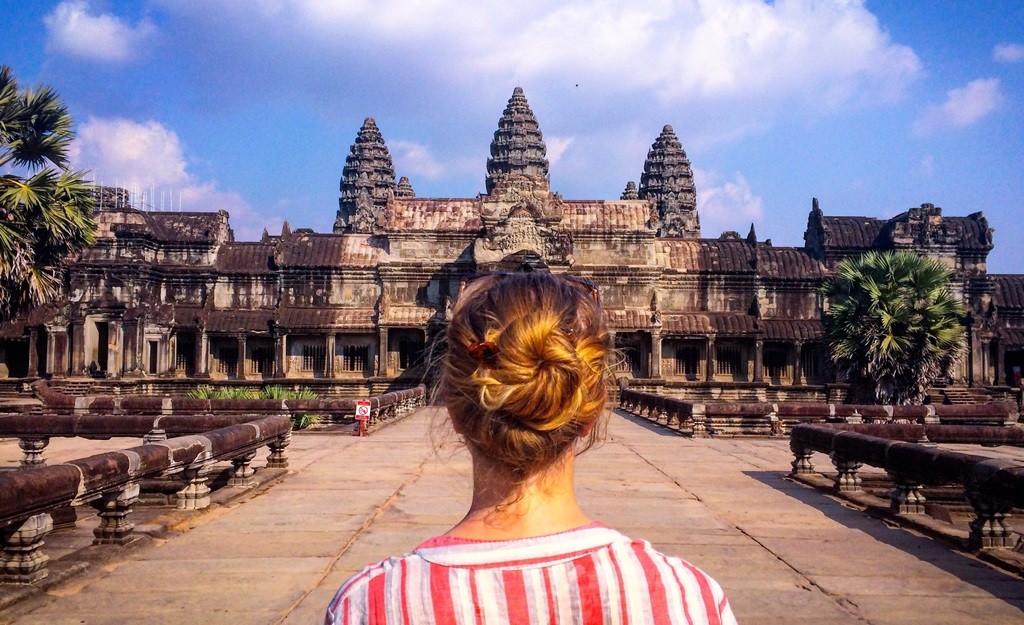

Travel is more than moving from one place to another; it is a profound experience that reshapes perspectives, enriches understanding, and cultivates personal growth. Across the globe, individuals embark on journeys not only for leisure but also for cultural immersion, education, and self-discovery. Whether it’s traversing bustling cities, remote villages, or serene natural landscapes, travel offers unique opportunities to connect with the world in meaningful ways. In this article, we delve deep into the multifaceted dimensions of travel, emphasizing its impact on the human mind, society, and global economy.
The Psychological Benefits of Travel
Enhancing Mental Health and Emotional Wellbeing
Travel significantly contributes to mental wellness. Exposure to new environments reduces stress levels by offering a break from routine life. Studies in psychology suggest that novelty and change stimulate dopamine release, promoting happiness and mental rejuvenation. Activities such as hiking, exploring unfamiliar urban spaces, or engaging in cultural events increase mindfulness, helping individuals to live in the present moment.
Travel also combats burnout. Professionals experiencing work-related fatigue can benefit from short-term or long-term travel as it encourages cognitive relaxation and improves overall mood. The combination of physical activity, social interaction, and exposure to nature can reduce anxiety levels and elevate emotional resilience.
Fostering Cognitive Flexibility
Experiencing diverse cultures and environments cultivates cognitive flexibility, which is the ability to adapt thinking to new situations. Navigating foreign transportation systems, learning basic phrases in different languages, or understanding unfamiliar cultural norms forces the brain to think creatively and problem-solve efficiently. This mental agility can translate into enhanced performance in professional and personal life.
Cultural Immersion: Building Global Awareness
Understanding and Appreciating Diversity
Travel exposes individuals to a myriad of cultural practices, traditions, and social norms. This exposure promotes empathy and reduces prejudices by humanizing experiences beyond one’s immediate environment. For instance, visiting indigenous communities or historical sites encourages deeper reflection on humanity’s shared heritage and diverse lifestyles.
Culinary Exploration as Cultural Education
Food is an essential gateway to understanding a culture. Sampling traditional cuisines, attending local markets, or participating in cooking workshops provides firsthand insight into a community’s history and values. Beyond taste, culinary travel teaches respect for sustainable practices, agricultural methods, and regional food philosophies.
Language and Communication Skills
Immersion in foreign environments often necessitates basic communication in local languages. Even limited linguistic interactions improve cognitive skills, memory, and attention span. Travelers who attempt to converse in another language gain confidence, cultural sensitivity, and enhanced social adaptability.
Adventure and Nature Travel: Expanding Horizons
Ecotourism and Environmental Awareness
Nature-based travel, including hiking, trekking, wildlife safaris, and marine exploration, nurtures environmental consciousness. Ecotourism initiatives focus on sustainable practices, encouraging travelers to minimize ecological footprints while supporting local conservation efforts. Activities like coral reef snorkeling, birdwatching, or participating in reforestation projects provide practical lessons in ecological stewardship.
Adventure Travel as Personal Growth
Adventure travel challenges physical and mental boundaries. Activities such as rock climbing, kayaking, or mountaineering require discipline, risk management, and resilience. Overcoming fears and navigating unfamiliar terrains instills a sense of accomplishment, boosting self-esteem and expanding personal limits.
Travel and Education: Learning Beyond the Classroom
Historical and Heritage Tourism
Visiting historical landmarks, museums, and cultural heritage sites deepens understanding of human history, politics, and societal evolution. Engaging with history firsthand fosters critical thinking and contextual comprehension, which is often more impactful than reading textbooks.
Experiential Learning Through Volunteering
Volunteering abroad provides immersive learning experiences. Programs that focus on teaching, wildlife conservation, or community development allow travelers to gain skills, contribute meaningfully, and develop intercultural competence. Such experiences often translate into enhanced career opportunities and global perspectives.
Digital Nomadism and Remote Learning
Modern travel increasingly intersects with education through digital nomadism. Individuals can work, study, and explore simultaneously, leveraging technology to maintain professional and academic commitments. This flexible approach to travel promotes continuous learning, creativity, and professional networking across borders.
Economic Impact of Travel
Tourism as a Key Economic Driver
Travel and tourism are significant contributors to global and local economies. Revenue generated from accommodation, transportation, dining, entertainment, and retail supports millions of jobs worldwide. For example, regions that rely heavily on tourism, such as Mediterranean coastal towns or Southeast Asian islands, benefit from seasonal economic boosts, infrastructure development, and entrepreneurial opportunities.
Supporting Small Businesses and Local Communities
Travel encourages local entrepreneurship. By purchasing crafts, staying in family-run accommodations, and dining in local eateries, travelers directly contribute to community sustenance. Sustainable tourism practices ensure that economic benefits are equitably distributed while preserving cultural and natural assets.
Encouraging Infrastructure and Urban Development
The influx of travelers often prompts improvements in infrastructure, including roads, public transport, healthcare, and communication networks. Cities with a high volume of international tourists tend to invest in cultural preservation, safety enhancements, and technological advancements, benefiting both residents and visitors.
Travel Safety and Health Considerations
Pre-Travel Planning and Precautions
Ensuring safety and health is a critical aspect of responsible travel. Travelers should research destination-specific risks, vaccination requirements, and local laws. Comprehensive planning reduces exposure to potential hazards and enhances the overall experience.
Maintaining Health While Abroad
Maintaining physical health during travel involves balancing nutrition, exercise, hydration, and rest. Access to medical facilities, adherence to travel advisories, and awareness of endemic diseases are vital. Travel insurance is also crucial for unexpected emergencies, providing financial and medical protection.
Mental Health While Traveling
Long-term or solo travel may pose emotional challenges, including homesickness, loneliness, or cultural shock. Staying connected with support networks, practicing mindfulness, and establishing daily routines can mitigate stress and enhance mental well-being.
Sustainable Travel Practices
Minimizing Environmental Footprint
Travelers can adopt eco-friendly habits such as using public transport, reducing plastic use, choosing sustainable accommodations, and supporting green-certified tours. Minimizing carbon emissions and conserving natural resources are vital to preserving destinations for future generations.
Ethical Interaction with Communities and Wildlife
Respectful engagement with local populations and wildlife ensures ethical travel. Avoiding exploitative practices, understanding cultural sensitivities, and refraining from supporting harmful wildlife attractions protect both people and animals. Ethical travel fosters long-term preservation of cultures and ecosystems.
Technological Influence on Modern Travel
Travel Planning and Navigation
Digital platforms have revolutionized travel planning, enabling real-time bookings, itinerary customization, and navigation assistance. Mobile applications provide maps, reviews, and cultural insights, making exploration more accessible and informed.
Virtual and Augmented Reality Experiences
Virtual reality (VR) and augmented reality (AR) technologies allow travelers to preview destinations, historical sites, and cultural landmarks before physically visiting them. These innovations enhance travel education, decision-making, and accessibility for individuals with physical limitations.
Data-Driven Personalization
Artificial intelligence and big data analysis enable personalized travel experiences, tailoring recommendations for accommodations, activities, and dining. Personalized itineraries optimize time, budget, and interests, enriching the travel experience.
The Social Benefits of Travel
Building Relationships and Social Networks
Travel facilitates social connections across cultures and geographies. Shared experiences during group tours, volunteer programs, or adventure expeditions foster friendships, collaboration, and intercultural understanding.
Promoting Cross-Cultural Empathy
Exposure to diverse lifestyles encourages tolerance, compassion, and global citizenship. Travelers often develop a deeper appreciation for global challenges such as poverty, climate change, and social inequality, motivating socially responsible behavior.
Strengthening Family and Personal Bonds
Family travel creates shared memories, strengthens communication, and enhances emotional bonding. Intergenerational travel experiences teach children adaptability, cultural awareness, and global perspectives, creating lasting life lessons.
Future Trends in Travel
Rise of Sustainable and Conscious Travel
The modern traveler increasingly values sustainability and ethical engagement. Future tourism trends emphasize low-impact travel, eco-friendly accommodations, and culturally immersive experiences that prioritize community welfare.
Integration of Technology and Human Experience
While technology streamlines logistics and enhances accessibility, future travel will focus on maintaining authentic human experiences. Balancing digital convenience with real-world exploration ensures meaningful and memorable journeys.
Personalization and Experiential Travel
Tailored experiences that cater to individual interests, such as culinary tours, heritage exploration, or wellness retreats, will dominate travel trends. The demand for personalized and immersive experiences reflects a shift from generic sightseeing to transformative travel.
FAQs
1. How does travel improve mental health beyond relaxation?
Travel challenges the brain with novel experiences, problem-solving, and social interactions, promoting cognitive flexibility, emotional resilience, and mindfulness, which extend beyond temporary relaxation.
2. Can budget travel be sustainable and ethical?
Yes. Budget travelers can practice sustainability by using public transportation, choosing eco-friendly accommodations, supporting local businesses, and minimizing waste while still engaging responsibly with communities and environments.
3. How does travel enhance career development?
Travel builds cross-cultural communication skills, adaptability, and problem-solving abilities. Exposure to global perspectives often enhances creativity, leadership potential, and networking opportunities.
4. What precautions should solo travelers take for safety?
Solo travelers should research local laws, maintain situational awareness, register with embassies if abroad, maintain emergency contacts, and use reputable transportation and accommodation services to ensure safety.
5. How can families make travel both educational and enjoyable?
Families can blend cultural immersion, historical exploration, and hands-on activities with leisure. Engaging children in planning, storytelling, and interactive experiences ensures both fun and learning.
6. How does travel contribute to environmental conservation?
Responsible travel supports conservation through ecotourism, volunteer programs, and financial contributions to protected areas. Minimizing carbon footprints and ethical wildlife interactions directly benefit environmental preservation.
7. What role does technology play in enhancing modern travel experiences?
Technology aids itinerary planning, real-time navigation, virtual previews, and personalized recommendations. It enables informed decision-making, convenience, and accessibility, enhancing the overall travel experience.
Travel is a transformative journey that enriches the mind, body, and spirit. From psychological benefits and cultural immersion to economic impacts and sustainable practices, the act of traveling shapes individuals and societies alike. By embracing thoughtful, responsible, and immersive travel experiences, we unlock opportunities for personal growth, global understanding, and meaningful connections with the world around us.

Comments are closed.