
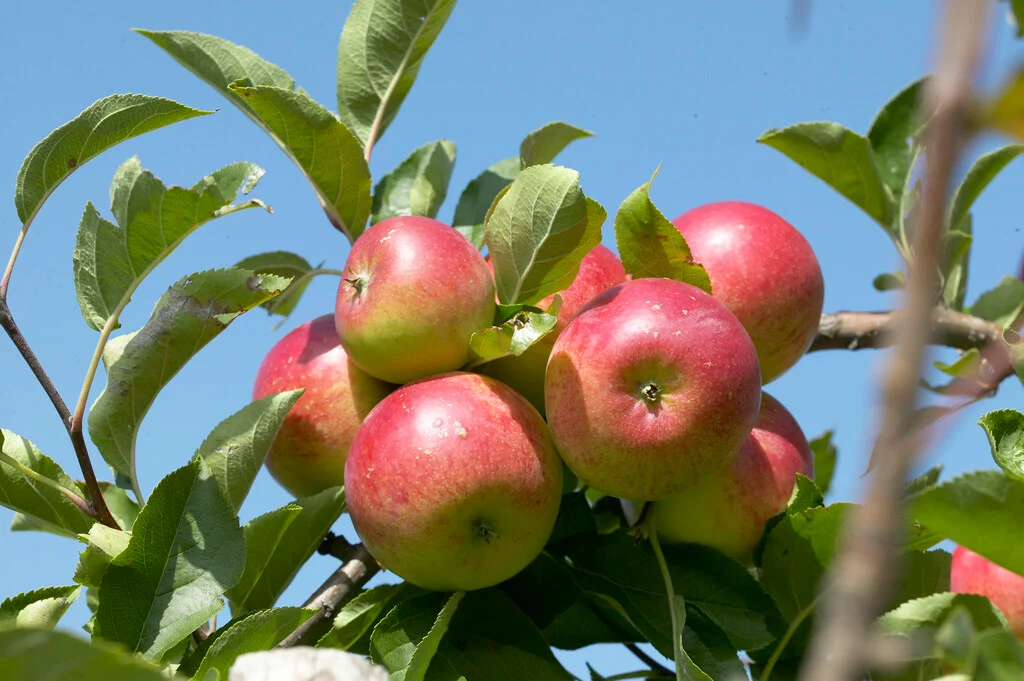

Fruit tree blossoms represent a make-or-break stage in the annual cycle, where the potential for a bountiful harvest can be secured or lost due to unpredictable weather. In Britain, where late spring frosts remain a common threat, gardeners must adopt practical measures to safeguard these delicate structures. This article outlines seven effective strategies to protect blossoms, drawing on established horticultural practices suited to the UK’s variable climate.
A nursery specialist at CRJ FruitTrees emphasises the importance of early planning in frost protection, noting that selecting robust varieties and maintaining tree health throughout the year can significantly reduce vulnerability. They recommend incorporating protective measures as part of routine care, such as those detailed in resources on preparing fruit trees for winter, to ensure blossoms emerge resilient in spring. When you buy fruit trees, considering their inherent tolerance to cold snaps forms a foundational step in this process.
Selecting Frost-Resistant Varieties
One of the most reliable approaches to mitigating frost damage involves choosing fruit tree varieties bred for resilience against low temperatures. In the UK, apple trees such as ‘Discovery Apple Tree’ and ‘James Grieve’ demonstrate notable hardiness, with blossoms that can withstand brief dips below freezing without significant loss. These cultivars have been developed through selective breeding to prioritise late flowering, which aligns better with Britain’s often delayed springs, reducing the overlap with frost events.
Pear varieties like ‘Conference’ and plum types such as ‘Victoria’ also offer enhanced protection, as their genetic makeup allows for quicker recovery post-frost. Gardeners should assess local climate data when making selections, focusing on rootstocks that promote vigour and disease resistance, which indirectly bolster frost tolerance by maintaining overall tree health. For instance, dwarfing rootstocks like M9 for apples provide compact growth, making it easier to apply additional safeguards if needed.
Research from horticultural institutions indicates that frost-resistant varieties can improve yield consistency by up to 30 per cent in frost-prone areas. This strategy not only minimises immediate blossom damage but also contributes to long-term orchard sustainability. When establishing a new planting, prioritise suppliers who provide detailed varietal information, ensuring compatibility with your soil type and aspect. Over time, these choices accumulate to form a robust defence against seasonal adversities, allowing for more predictable fruit production in challenging conditions.
Optimal Site Selection and Planting
Positioning fruit trees in the garden plays a pivotal role in natural frost protection. Elevated sites or gentle slopes facilitate cold air drainage, preventing the formation of frost pockets where temperatures plummet. In lowland British gardens, avoid planting in valleys or depressions, as these areas trap denser cold air, increasing the risk to blossoms.
South-facing aspects capture more sunlight, warming the microclimate around the tree and accelerating thaw after overnight frosts. Windbreaks, such as hedges or fences, can further moderate temperature fluctuations by reducing wind chill, though they must be positioned to avoid creating stagnant air zones. Soil preparation is equally important; well-drained loams retain heat better than heavy clays, which can exacerbate root chill and weaken blossom viability.
For urban gardeners with limited space, espalier or cordon training against walls harnesses radiant heat from structures, offering an additional layer of protection. Studies on orchard management in temperate regions confirm that strategic siting can raise ambient temperatures by several degrees during critical periods. When planning your layout, integrate companion planting with ground covers that insulate the soil surface, enhancing overall resilience. This foundational move sets the stage for supplementary techniques, ensuring that blossoms benefit from the most favourable environmental conditions possible.
Monitoring Weather Forecasts and Timing
Accurate weather monitoring enables timely interventions, transforming reactive gardening into a proactive discipline. In Britain, services from the Met Office provide detailed frost warnings, often specifying ground frost risks that directly impact low-lying blossoms. Utilise apps and alerts to track temperature trends, paying close attention to clear nights when radiative cooling intensifies.
Timing blossoms through variety selection or pruning adjustments can shift flowering periods away from peak frost seasons. Delayed pruning in late winter encourages later bud break, a technique particularly effective for apples and pears. Historical data from UK growing zones reveals that frosts in April and May account for substantial crop losses, underscoring the value of vigilance.
Integrate soil thermometers to gauge root zone temperatures, as chilled roots impair nutrient uptake and blossom strength. For larger plots, automated sensors linked to irrigation systems can trigger protective measures. This approach not only preserves current seasons but informs future plantings, refining strategies based on observed patterns. Gardeners who consistently monitor and adapt report fewer instances of total blossom failure, maintaining productivity even in erratic weather years.
Using Protective Covers and Barriers
Physical barriers provide immediate insulation against frost, trapping warmer air around blossoms. Horticultural fleece, available in various weights, drapes over trees to create a microclimate buffer, typically raising temperatures by 2-4 degrees Celsius. For smaller specimens, construct simple frames from bamboo or wire to support the material without damaging branches.
Burlap or old sheets serve as alternatives for short-term coverage, secured with clips or ties to withstand winds. In commercial settings, anti-frost nets reduce radiative heat loss while permitting air circulation. Apply covers in the evening before predicted frosts and remove them promptly in the morning to prevent overheating or fungal issues.
Evidence from field trials demonstrates that covered blossoms experience significantly lower damage rates, preserving pollination opportunities. For wall-trained trees, extend protection to include the structure’s warmth. When sourcing materials, opt for breathable fabrics to avoid condensation buildup. This method complements natural hardiness, offering flexible defence tailored to specific frost events and tree sizes.
If you buy fruit trees for container growing, mobility allows relocation to sheltered spots under covers during threats, enhancing this strategy’s effectiveness. Regular inspection ensures covers remain intact, maximising their protective value throughout the vulnerable period.
Applying Mulch for Soil Insulation
Mulching insulates the soil, stabilising root temperatures and indirectly supporting blossom health. Organic materials like bark chips or straw, applied in a 10-15 cm layer around the tree base, retain daytime heat and suppress weeds that compete for resources. Extend mulch to the drip line but keep it clear of the trunk to deter pests.
In British winters, mulching in autumn prepares trees for spring, as warmer roots promote vigorous budding less susceptible to frost shock. Composted manures add nutrients, fostering microbial activity that generates subtle heat. Research highlights mulching’s role in reducing soil temperature swings, which can otherwise stress blossoms.
For newly planted trees, this practice accelerates establishment, building resilience over seasons. Avoid inorganic mulches like gravel, as they conduct cold more readily. Annual replenishment maintains efficacy, integrating with watering regimes to optimise moisture retention. Gardeners employing mulch report improved blossom set, attributing it to consistent soil conditions that buffer against climatic extremes.
Employing Heating Methods
Active heating counters severe frosts when passive measures suffice no longer. Orchard heaters or candles, positioned under tree canopies, release warmth to protect blossoms, a technique adapted from larger-scale operations for home use. Propane smudge pots or electric heaters provide controlled heat, raising air temperatures sufficiently to prevent ice formation.
In the UK, where regulations govern open flames, opt for safe, enclosed units. Fans circulate warmer air from inversions, disrupting cold layers; wind machines in professional setups achieve similar results on a smaller scale. Thermal efficiency studies show heating can salvage crops during sub-zero events, though energy costs warrant selective application.
For compact gardens, string lights or heated cables wrapped around trunks offer localised protection. Combine with covers to trap heat effectively. This intervention demands monitoring to avoid fire risks or overuse, but when deployed judiciously, it preserves blossom integrity, ensuring fruit development proceeds uninterrupted.
Irrigation Techniques for Frost Mitigation
Water-based protection leverages latent heat release during freezing. Overhead sprinkling, initiated as temperatures approach zero, forms an ice layer that insulates blossoms at exactly 0 degrees Celsius. This method, common in vineyards, adapts to fruit trees via micro-sprinklers delivering continuous mist.
Ground irrigation saturates soil, capitalising on water’s high heat capacity to warm the root zone. Timing is crucial; start before frost sets in and continue until thaw. Hydrological research confirms this approach’s efficacy in raising canopy temperatures, minimising damage in marginal frosts.
In Britain, water availability and system setup influence feasibility, with automated timers enhancing precision. For smaller holdings, manual hosing simulates the effect, though uniformity matters. Post-event, assess for ice weight damage to branches. This technique bolsters other moves, providing a dynamic response to evolving weather threats.
Integrating Strategies for Comprehensive Protection
Combining these moves creates a layered defence, addressing multiple frost facets. Start with variety and site choices as permanent foundations, then layer monitoring, covers, mulch, heating, and irrigation as conditions dictate. Adaptation to local microclimates ensures optimal outcomes, with records from previous seasons guiding refinements.
Economic benefits include reduced losses and higher yields, appealing to both hobbyists and smallholders. Environmental considerations favour sustainable practices, like organic mulches and efficient water use. As climate patterns shift, these strategies gain relevance, equipping British gardeners to sustain fruit production amid increasing variability.
In summary, protecting fruit tree blossoms from frost demands foresight and action. By implementing these seven moves, you can enhance harvest prospects, turning potential setbacks into manageable challenges. If you buy fruit trees with these protections in mind, your garden will thrive through the seasons.

Comments are closed.