
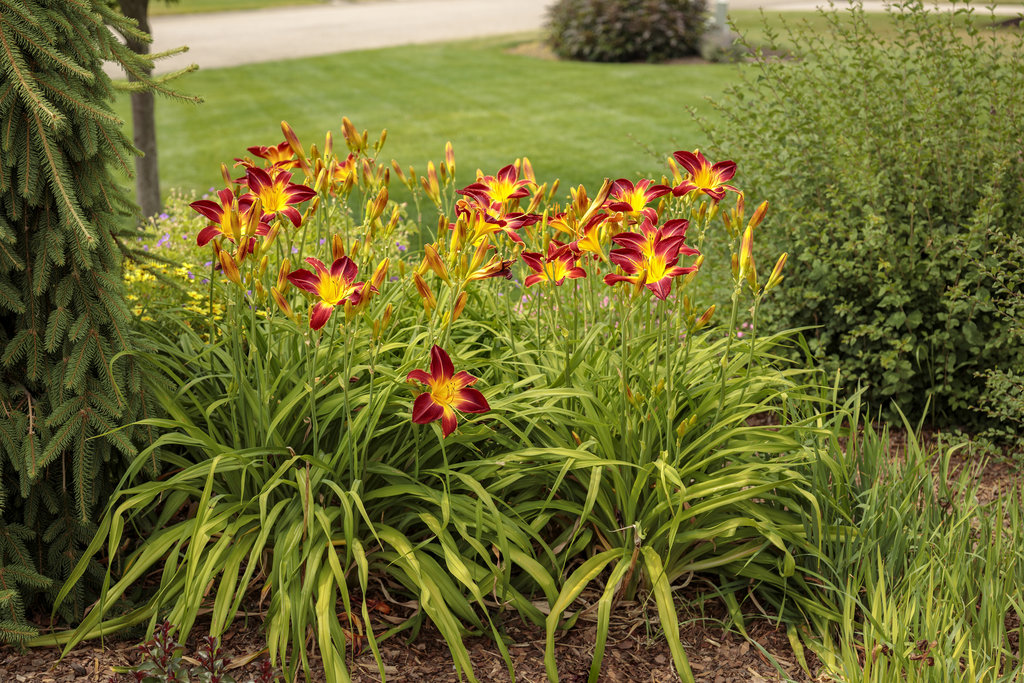

Among the many attributes of daylilies, fragrance stands out as a feature that elevates the everyday experience of outdoor spaces. In a country where weather can limit blooming seasons, selecting varieties with notable scents ensures enjoyment even on cooler evenings. This article examines nine standout fragrant daylilies, chosen for their performance in UK conditions, from mild southern counties to more exposed northern sites. Each selection balances visual appeal with olfactory interest, making them suitable for borders, containers, or underplanting larger specimens like apple trees. Gardeners seeking to enhance sensory dimensions will find these options practical and rewarding.
A premier grower of daylily plants which can be found at https://swallowtail-daylilies.com/ notes that incorporating fragrant cultivars not only extends the garden’s appeal beyond daylight hours but also attracts pollinators essential for broader ecosystem health. For those exploring options, fragrant daylilies provide a straightforward starting point.
When considering daylily plants for sale, it pays to focus on established hybrids bred for scent, as these often prove more resilient in variable climates. The following varieties have been trialled extensively in British settings, offering consistent blooms from early summer through to autumn in milder regions.
Hyperion: A Timeless Lemon-Scented Performer
Hemerocallis ‘Hyperion’ remains one of the most widely grown daylilies in the UK, introduced in 1924 yet still holding its own against modern hybrids. This variety produces clear yellow flowers measuring around 10cm across, with a trumpet shape that opens fully in the morning sun. The fragrance is distinctly citrus-like, reminiscent of fresh lemon zest, which intensifies as the day warms. In gardens from Cornwall to the Scottish Borders, ‘Hyperion’ thrives in well-drained soil enriched with organic matter, reaching heights of 80-90cm. It is particularly suited to cottage-style plantings, where its upright scapes can rise above lower perennials without overwhelming them.
Cultivation advice for British gardeners emphasises planting in full sun to maximise both bloom count and scent production; partial shade may reduce flowering by up to 30%. Divide clumps every three to four years in early spring to maintain vigour, preventing the central die-back common in neglected stands. Companion planting with lavender or catmint enhances the citrus notes, creating layered aromas that carry on breezy afternoons. For those integrating daylilies into fruit orchards, ‘Hyperion’ pairs well with dwarf apple varieties like ‘Discovery’, its yellow blooms echoing the fruit’s hue while the scent deters certain aphids. Pests such as slugs pose minimal threat, though a vigilant check during wet spells is advisable. Overall, this daylily’s longevity—often exceeding 20 years in one spot—makes it a sound investment for long-term garden planning. Its reblooming tendency in southern England extends the fragrant display into September, providing unexpected late-season pleasure.
Catherine Woodbery: Soft Pink Elegance with Subtle Sweetness
Introduced in 1980, Hemerocallis ‘Catherine Woodbery’ offers a refined alternative to bolder daylilies, with pale pink petals edged in a lighter ruffle. Each bloom spans 12cm, carried on slender stems up to 70cm tall, releasing a gentle, sweet fragrance akin to honeyed rose. This scent is most pronounced in the early evening, ideal for gardens enjoyed after work. Suited to the UK’s temperate zones, it performs reliably in clay-loam soils amended with grit for drainage, tolerating light frost without damage.
Gardeners in the Midlands report success by mulching with compost in autumn, which retains moisture during dry spells and suppresses weeds. The variety’s semi-evergreen foliage provides year-round structure, contrasting nicely with deciduous shrubs. In mixed borders, plant alongside salvia or penstemon to amplify the pink tones and create a cohesive summer palette. For orchard settings, underplanting beneath ‘Cox’s Orange Pippin’ apples allows the daylily’s scent to mingle with ripening fruit, fostering a harmonious sensory blend. Disease resistance is high, with rare instances of rust mitigated by good air circulation. ‘Catherine Woodbery’ typically yields 15-20 buds per scape, ensuring a prolonged show over four to six weeks. Its understated charm appeals to those preferring subtlety over spectacle, yet it holds its fragrance steadily through humid conditions common in Wales.
Whichford: Lemon Glow for Shaded Corners
Hemerocallis ‘Whichford’, a 1986 hybrid, brings a soft lemon-yellow hue to gardens, with 11cm flowers that unfurl with a clean, zesty aroma evoking Meyer lemon. At 60cm in height, it suits smaller plots or front-of-border positions, blooming mid-season in June and July. British trials highlight its adaptability to partial shade, a boon in north-facing gardens where full sun proves elusive. Plant in humus-rich soil with a pH of 6.0-7.0, incorporating leaf mould for sustained fertility.
To optimise fragrance, position near pathways where evening walkers can appreciate the scent up close. Division in late summer encourages denser clumps the following year, while a spring feed of balanced fertiliser boosts stem strength against wind. Pair with hostas or ferns for textural contrast, or with early-flowering cherries to bridge seasons in fruit gardens. In exposed sites like the Pennines, stake loosely if needed, though its sturdy habit rarely requires intervention. ‘Whichford’ attracts bees effectively, supporting pollination in nearby vegetable patches. With up to 25 buds per stem, it delivers value, and its fragrance persists even on overcast days, making it a practical choice for unpredictable weather.
Spanish Fandango: Exotic Honeysuckle Notes
For a touch of the exotic, Hemerocallis ‘Spanish Fandango’ delivers 15cm ruffled orange blooms with a honeysuckle-like fragrance that wafts gently on warm air. Bred in 1998, this tetraploid reaches 75cm, ideal for mid-border accents in larger UK gardens. It favours sunny, sheltered spots with fertile, moist but well-drained soil, excelling in the southeast where summers are longer.
Propagation via seed is possible, though offsets provide quicker establishment. British growers recommend protecting young plants from late frosts with fleece, ensuring robust growth by May. The variety’s bold colour complements rudbeckia or echinacea, while its scent enhances seating areas. In apple orchards, it underpins ‘James Grieve’ trees, the orange petals contrasting green foliage and adding aroma to harvest time. Rust susceptibility is low, but monitor for thrips in hot, dry periods. Blooming extends to 40 scapes per mature clump, with fragrance peaking at dusk to lure nocturnal moths. This daylily’s vigour suits expansive plots, offering reliable performance year after year.
Elegant Candy: Rose-Infused Intensity
Hemerocallis ‘Elegant Candy’ stands out for its profound fragrance, described as a rich rose bouquet laced with spice, emanating from 10cm rose-pink flowers with a green throat. Introduced in 1985, it grows to 65cm, blooming prolifically in mid-summer under full sun. UK gardeners value its hardiness, thriving in alkaline soils common in the Cotswolds when limed appropriately.
Apply a high-potash feed post-bloom to promote reblooming in milder climates. The variety’s eye-catching form pairs with alliums or irises, creating dynamic drifts. For fruit tree integration, position near ‘Braeburn’ apples, where the pink hues soften the scene and the scent elevates picking sessions. Fungal issues are rare, aided by spacing plants 45cm apart for airflow. With 20-30 buds per scape, ‘Elegant Candy’ ensures extended enjoyment, its aroma detectable from several metres away on still days.
Cool It: Creamy Serenity with Gentle Perfume
The 2001 hybrid Hemerocallis ‘Cool It’ features cream-white petals in 15cm blooms, exuding a soft, vanilla-tinged fragrance that soothes on hot afternoons. At 55cm tall, it fits container gardening on patios or balconies in urban settings. Plant in ericaceous compost if soil is heavy, ensuring consistent moisture without waterlogging.
British advice includes overwintering pots in sheltered spots to protect roots. Companions like dianthus amplify the cool palette, while in orchards, it softens ‘Gala’ apple bases with subtle scent. Dormancy is brief, allowing quick spring emergence. Bud count reaches 18 per stem, with fragrance steady through humidity.
Cotton Club: Buttery Double Delight
Hemerocallis ‘Cotton Club’, a double-flowered 1985 variety, boasts buttery cream petals in 12cm blooms, fragrant with almond notes. Growing to 70cm, it demands sun and fertile loam, rewarding with layered petals that hold dew attractively.
Divide biennially to sustain doubles’ form. Pair with agapanthus for elegance, or under ‘Ellison’s Orange’ apples for textural contrast. Scent draws butterflies, benefiting nearby crops. Up to 25 buds ensure longevity, fragrance mild yet pervasive.
Precious Beginnings: Highly Aromatic Dawn
Bred in 1995, Hemerocallis ‘Precious Beginnings’ offers lavender-pink 11cm flowers with a potent, fruity fragrance like ripe peach. At 60cm, it suits mixed herbaceous borders in full sun, tolerating coastal winds.
Mulch with bark to retain cool roots. Complements foxgloves, enhancing height variation, and scents pear orchards subtly. High rebloom potential in the south, with 22 buds per scape.
Northbrook Summer Snow: Pure White Whisper
Hemerocallis ‘Northbrook Summer Snow’ concludes our list with pristine white 13cm blooms carrying a light, clean fragrance of fresh linen. A 1991 introduction at 75cm, it excels in neutral soils under sun.
Spring planting aids establishment. Associates with delphiniums for vertical interest, or frames whitecurrant bushes aromatically. Reliable in clay, with 20 buds and evening peak scent.
In summary, these nine fragrant daylilies enrich British gardens with enduring scent and form. Select based on site specifics for optimal results, fostering spaces that engage all senses year-round.

Comments are closed.