
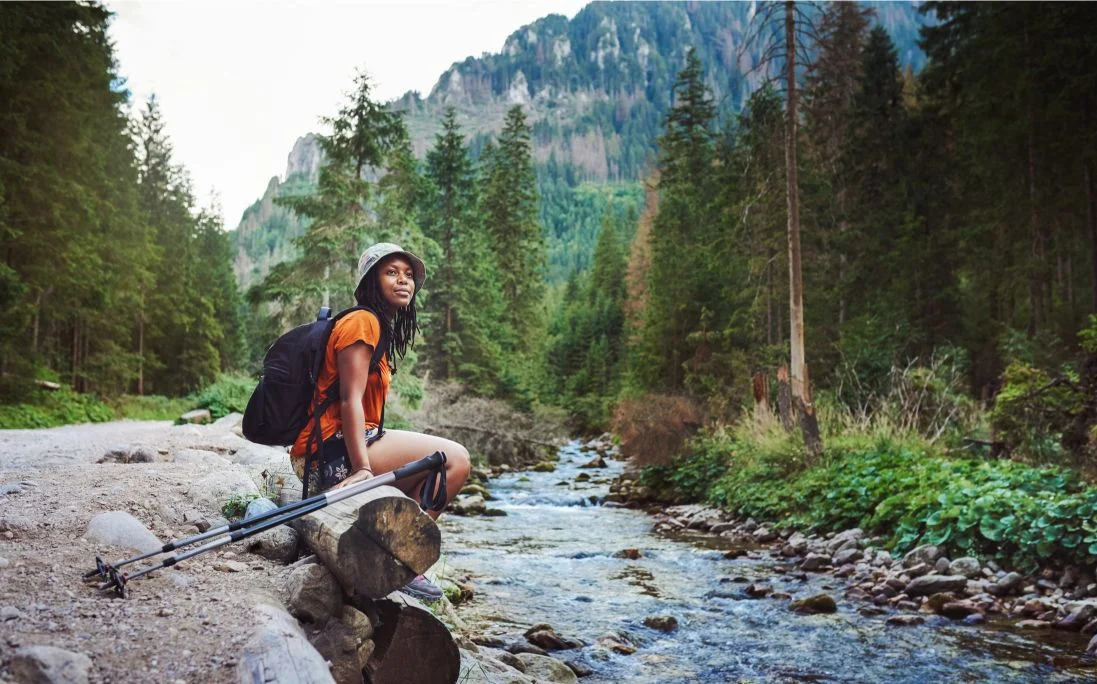

Traveling alone for the first time can feel both liberating and intimidating. Without familiar company, every decision—from choosing accommodation to navigating local transport—rests on you. Yet solo travel offers something group trips rarely can: complete freedom, deeper self-discovery, and authentic cultural experiences.
If you’re planning your first independent adventure, these practical strategies will help you stay safe, confident, and prepared.
Why Solo Travel Is Worth It
Before diving into the logistics, understand the value of going alone. Solo journeys often lead to:
-
Greater self-confidence through problem-solving in unfamiliar situations
-
Flexible itineraries without compromises
-
Deeper local connections with residents and fellow travelers
-
Personal reflection time away from daily routines
When approached with preparation and awareness, traveling solo becomes empowering rather than overwhelming.
Plan Smart, Not Excessively
Preparation matters—but overplanning can drain spontaneity.
Research the Essentials
Focus on practical details:
-
Entry requirements and visa policies
-
Local transportation systems
-
Safe neighborhoods for accommodation
-
Cultural norms and etiquette
Knowing basic expectations reduces stress on arrival.
Keep a Flexible Itinerary
Outline major stops and accommodation for your first few nights. After that, leave room for discovery. First-time solo travelers often feel safer with structure at the beginning.
Prioritize Safety Without Fear
Safety is the top concern for most first-time solo travelers. The key is awareness, not anxiety.
Choose Accommodation Wisely
-
Stay in central, well-reviewed areas
-
Read recent guest reviews carefully
-
Consider hostels or boutique hotels with 24-hour reception
Share Your Itinerary
Inform a trusted contact about:
-
Flight details
-
Accommodation addresses
-
Major travel plans
Check in periodically so someone always knows your whereabouts.
Trust Your Instincts
If a situation feels uncomfortable, remove yourself immediately. Confidence combined with situational awareness is your best defense.
Pack Light and Practical
Overpacking creates unnecessary stress.
Essentials to Include
-
Copies of travel documents (digital and printed)
-
Portable charger or power bank
-
Basic first-aid kit
-
Comfortable walking shoes
-
Weather-appropriate clothing
Traveling light makes navigating airports, train stations, and city streets much easier.
Manage Money Strategically
Financial preparation reduces risk and inconvenience.
-
Use at least two payment methods (card + backup card or cash)
-
Inform your bank about international travel
-
Avoid carrying large amounts of cash
-
Keep emergency funds separate
Consider storing small amounts of cash in different places in case of loss or theft.
Build Confidence Through Small Steps
If you’re nervous about traveling alone internationally, start smaller.
-
Take a weekend trip within your country
-
Explore a nearby city solo
-
Practice dining alone or navigating unfamiliar neighborhoods
Each successful experience builds resilience and comfort.
Connect With Others (When You Want To)
Solo travel doesn’t mean isolation.
Ways to Meet People
-
Join walking tours
-
Stay in social accommodations
-
Participate in cooking classes or local workshops
-
Use traveler meet-up platforms
You control your level of interaction—some days may be social, others reflective.
Embrace Solo Dining
Eating alone can feel awkward at first. Reframe it.
-
Bring a book or journal
-
Sit at the bar or communal tables
-
Visit cafés instead of large restaurants
Many seasoned travelers find solo meals become moments of calm observation.
Stay Digitally Prepared
Technology can enhance safety and convenience.
-
Download offline maps
-
Save important documents in cloud storage
-
Install translation apps
-
Enable phone tracking features
However, avoid excessive phone use in public spaces to reduce vulnerability.
Maintain Personal Awareness
Simple habits dramatically reduce risk:
-
Avoid displaying expensive jewelry or electronics
-
Walk confidently, even if using navigation
-
Keep bags secured and closed
-
Avoid isolated areas at night
Preparedness creates freedom—not restriction.
Accept That Mistakes Will Happen
Missed buses, wrong turns, language confusion—these are part of the experience. Solo travel strengthens adaptability. Instead of frustration, treat challenges as learning moments.
Resilience is built through small discomforts.
Protect Your Mental Well-Being
Loneliness can surface during solo trips, especially on longer journeys.
-
Schedule video calls with loved ones
-
Journal your thoughts
-
Take rest days
-
Choose destinations that match your personality (quiet vs. lively)
Balance adventure with self-care.
Final Thoughts
Your first solo trip may feel like stepping into the unknown. Yet with preparation, awareness, and flexibility, it can become one of the most transformative experiences of your life. The independence gained often extends far beyond travel.
Start small if needed—but start.
Frequently Asked Questions (FAQ)
1. Is solo travel safe for beginners?
Yes, when you research your destination, choose safe accommodations, and remain aware of your surroundings, solo travel can be very safe.
2. What is the best first destination for solo travelers?
Destinations with strong tourism infrastructure, reliable public transport, and good safety records are ideal. Look for places known for welcoming visitors.
3. How do I deal with loneliness while traveling alone?
Plan social activities like tours or classes, stay in community-oriented accommodations, and maintain contact with friends or family.
4. Should I buy travel insurance?
Yes. Travel insurance protects against unexpected medical emergencies, cancellations, and lost belongings.
5. How much money should I carry?
Carry minimal cash and rely on cards when possible. Keep emergency funds separate from daily spending money.
6. Is it strange to eat alone while traveling?
Not at all. Solo dining is common among travelers. It often allows deeper cultural observation and relaxation.
7. How can I feel more confident before my first solo trip?
Start with short trips, practice independent navigation locally, and prepare thoroughly. Confidence grows with experience.

Comments are closed.