

Modern vehicles are no longer defined solely by engines, transmissions, and mechanical craftsmanship. They are increasingly shaped by software systems that control, monitor, and enhance nearly every aspect of driving. From safety features to entertainment and energy efficiency, code has become as critical as fuel.
Today’s cars operate more like interconnected computers on wheels. Behind the scenes, millions of lines of programming work together to deliver performance, comfort, and reliability.
The Digital Foundation of Modern Cars
At the core of every contemporary vehicle lies a network of Electronic Control Units (ECUs). These small embedded computers manage individual functions such as engine timing, braking, airbag deployment, and climate control.
A modern vehicle may contain 70 to over 100 ECUs, each running specialized firmware. These systems communicate via in-vehicle networks such as CAN (Controller Area Network), enabling seamless coordination between components.
Key Areas Controlled by Software
-
Engine management systems – Optimize fuel injection, ignition timing, and emissions.
-
Transmission control – Ensure smooth gear shifts and efficiency.
-
Braking systems (ABS & ESC) – Prevent wheel lock and loss of control.
-
Battery management systems (BMS) – Critical in electric and hybrid vehicles.
-
Climate and cabin systems – Maintain temperature and airflow comfort.
Without software, these systems would lack the precision and adaptability required in today’s automotive landscape.
Enhancing Safety Through Intelligent Systems
One of the most significant contributions of automotive software is in vehicle safety. Advanced Driver Assistance Systems (ADAS) rely heavily on real-time data processing.
Examples of Software-Driven Safety Features
-
Adaptive cruise control
-
Lane-keeping assist
-
Automatic emergency braking
-
Blind-spot detection
-
Collision avoidance systems
These features use input from cameras, radar, ultrasonic sensors, and lidar to make split-second decisions. The software analyzes data streams, predicts hazards, and triggers mechanical responses when necessary.
In many cases, software intervenes faster than a human driver could react, reducing accident risk.
Powering Electric and Hybrid Vehicles
Electric vehicles (EVs) represent a dramatic shift in automotive engineering. Their operation depends heavily on software-driven power management systems.
Key responsibilities include:
-
Monitoring battery temperature and voltage
-
Optimizing regenerative braking
-
Managing charging cycles
-
Extending driving range through energy optimization algorithms
Over-the-air (OTA) updates allow manufacturers to improve efficiency, unlock new features, and fix bugs remotely. This capability transforms vehicles into evolving products rather than static machines.
Infotainment and Connectivity
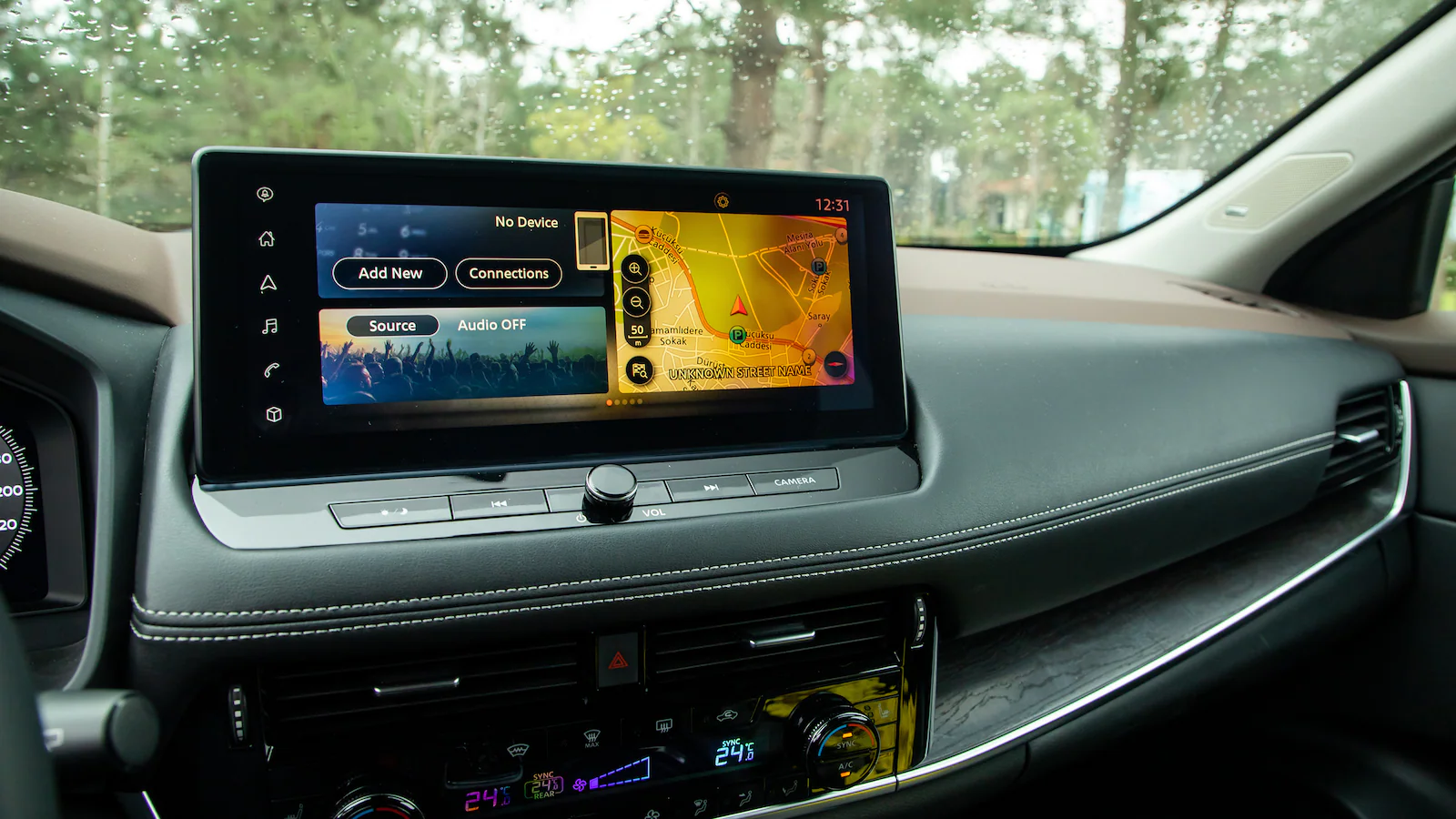
The modern car interior has become a digital hub. Touchscreens, voice assistants, smartphone integration, and cloud connectivity are all software-enabled.
Common Infotainment Features
-
Real-time navigation with traffic updates
-
Wireless smartphone integration
-
Voice recognition
-
Streaming services
-
Remote vehicle monitoring via mobile apps
Drivers now expect their vehicles to function like smart devices. Seamless updates and intuitive interfaces are critical to user satisfaction.
Autonomous Driving and Artificial Intelligence
Autonomous and semi-autonomous vehicles represent the frontier of automotive software development. These systems depend on machine learning algorithms, real-time sensor fusion, and advanced mapping.
Autonomous platforms must:
-
Identify objects (vehicles, pedestrians, road signs)
-
Predict movement patterns
-
Make driving decisions
-
Continuously adapt to changing environments
Artificial intelligence processes enormous volumes of environmental data in milliseconds. The reliability of this software is paramount, as it directly impacts safety.
Cybersecurity in Connected Vehicles
As vehicles become increasingly connected, cybersecurity has emerged as a critical concern. Connected cars communicate with cloud servers, mobile devices, and infrastructure systems.
Potential risks include:
-
Unauthorized access to vehicle controls
-
Data theft
-
GPS manipulation
-
Remote system interference
Manufacturers now integrate encryption, intrusion detection systems, and secure software architectures to protect drivers and passengers.
Over-the-Air Updates and Continuous Improvement
Traditionally, vehicle upgrades required dealership visits. Today, software updates can be deployed remotely.
Benefits of OTA updates include:
-
Security patch deployment
-
Performance improvements
-
Bug fixes
-
Feature enhancements
-
Improved battery management in EVs
This shift aligns automotive software more closely with consumer electronics and smartphone ecosystems.
Data Analytics and Predictive Maintenance
Modern vehicles collect large amounts of operational data. Software analyzes this information to detect patterns and anticipate mechanical issues.
Predictive maintenance systems can:
-
Alert drivers to potential failures
-
Schedule service proactively
-
Reduce unexpected breakdowns
-
Lower long-term maintenance costs
By monitoring sensor data continuously, vehicles become smarter and more reliable over time.
The Growing Complexity of Automotive Software
As functionality expands, so does software complexity. A modern premium vehicle may contain over 100 million lines of code, rivaling commercial aircraft systems.
This complexity introduces challenges:
-
Software validation and testing
-
Integration between multiple vendors
-
Real-time system reliability
-
Functional safety compliance
Automotive standards such as ISO 26262 ensure safety-critical systems meet strict development and validation requirements.
The Future of Software-Defined Vehicles
The industry is transitioning toward the concept of the Software-Defined Vehicle (SDV). In this model, hardware becomes standardized while features are increasingly controlled and upgraded through software.
Future developments may include:
-
Subscription-based feature activation
-
Enhanced vehicle-to-everything (V2X) communication
-
More advanced autonomous driving capabilities
-
Greater personalization through AI learning
In this new era, software is not an accessory to automotive engineering—it is the driving force behind innovation.
FAQs
1. How much of a modern car is controlled by software?
A significant portion of a vehicle’s functionality is software-driven. Many modern cars contain tens of millions of lines of code managing everything from engine performance to entertainment systems.
2. Can software updates improve vehicle performance?
Yes. Over-the-air updates can enhance efficiency, improve battery management, refine driver assistance systems, and add new features without requiring hardware changes.
3. What happens if automotive software fails?
Most safety-critical systems are designed with redundancy and fail-safe mechanisms. If software detects a malfunction, it often switches to backup systems or alerts the driver immediately.
4. Are connected vehicles vulnerable to hacking?
While connected vehicles introduce cybersecurity risks, manufacturers implement encryption, authentication protocols, and intrusion detection systems to reduce vulnerabilities.
5. How does software help electric vehicles achieve better range?
Software optimizes energy usage, manages battery temperature, controls regenerative braking, and refines power distribution to maximize driving distance.
6. What is a software-defined vehicle?
A software-defined vehicle relies heavily on centralized computing architecture where features and performance enhancements are delivered primarily through software updates rather than hardware changes.
7. Will all vehicles eventually rely heavily on software?
Yes. Industry trends indicate that future vehicles—whether electric, hybrid, or combustion-powered—will continue to depend more on advanced software systems for safety, efficiency, connectivity, and automation.

Comments are closed.